
Gas and carbon monoxide detection: thermal power plants, underground parking lots, LPG stations and kitchens
You can't see the gas and you can't feel the monoxide. A properly installed detector, connected to the ventilation and the gas solenoid valve, is the difference between an alarm and news.
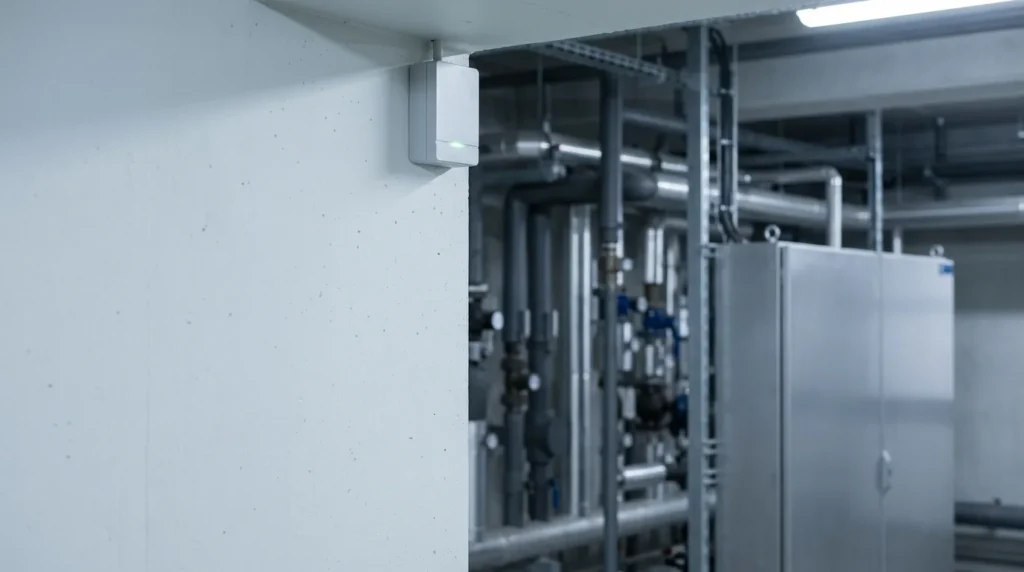
The heating plant in the basement of the building, the underground parking lot of the hotel, the LPG skid at the gas station, the restaurant kitchen: they all need gas detection or of carbon monoxide, required by regulations and verified during inspections.
GreenSoft designs and installs detection systems for methane, LPG, carbon monoxide and other gases, with dedicated control panels or integrated into the fire detection system: when the threshold is exceeded, the system closes the gas solenoid valve, starts the ventilation, alarms locally and sends the signal to the dispatch center. The detectors are calibrated and checked periodically, with a report.
For gas and LPG stations, we work with equipment certified for the respective environment and with the documentation required for authorization.
We also do design: number and location of detectors, thresholds, solenoid valve and ventilation controls, in a technical project correlated with the fire safety scenario and ISU documentation.
What does the service include?
- Design: placement of detectors according to gas type (heavier or lighter than air)
- Methane, LPG and carbon monoxide detectors, certified for the environment in which they are installed
- Gas detection panels, integration with fire detection and BMS
- Gas solenoid valve control, ventilation and local and remote alarming
- Calibration and periodic checks, with minutes and ISU documentation
Why GreenSoft
Gas detection is connected to the fire control panel, ventilation, electrical installation and ISU documentation, all done by the same IGSU and ANRE authorized team. It is not a detector "put on the wall", but a system that actually shuts off the gas.
How the project is progressing
- Visit: gas sources, volumes, ventilation, applicable requirements
- Project with detector placement and control diagram
- Assembly, integration and calibration gas tests
- Minutes, training and inspection schedule
For which types of sites
- Thermal power plants and blocks
- underground parking lots
- gas and LPG stations
- restaurants and professional kitchens
- industrial buildings and warehouses
- hotels
Tell us what gas source you have and where; you will receive a proposal with the number of detectors and a quote within 3-5 business days.
Where we work
We cover the entire county of Constanta: Constanta municipality, Mamaia, Năvodari, Ovidiu, Agigea, Eforie, Techirghiol, Mangalia, Medgidia and Cernavodă, including the port perimeter, based on the work license in the Port of Constanta. For larger works, we travel throughout Dobrogea.
Useful resources
Frequently asked questions
Where to mount the detector: top or bottom?
Methane is lighter than air, the detector goes close to the ceiling; LPG is heavier, the detector goes close to the floor; monoxide mixes, the detector is placed at breathing height. That's why you don't buy "a detector", you design one.
How often is it checked?
Functional testing every 6 months and calibration according to the manufacturer, usually annually. Sensors have a limited lifespan (indicated by the manufacturer) and must be replaced in due time.
Can it be connected to the fire alarm system?
Yes, as a distinct technical area, with separate control for the solenoid valve and ventilation, and with signaling to the dispatch center.
What does ISU require for underground parking?
Carbon monoxide detection linked to smoke and exhaust ventilation, with thresholds and alarm. We include it in the fire safety scenario.
Shall we discuss your project?
Free initial technical consultation and quote within 3–5 business days.